FH LAB @ TQW
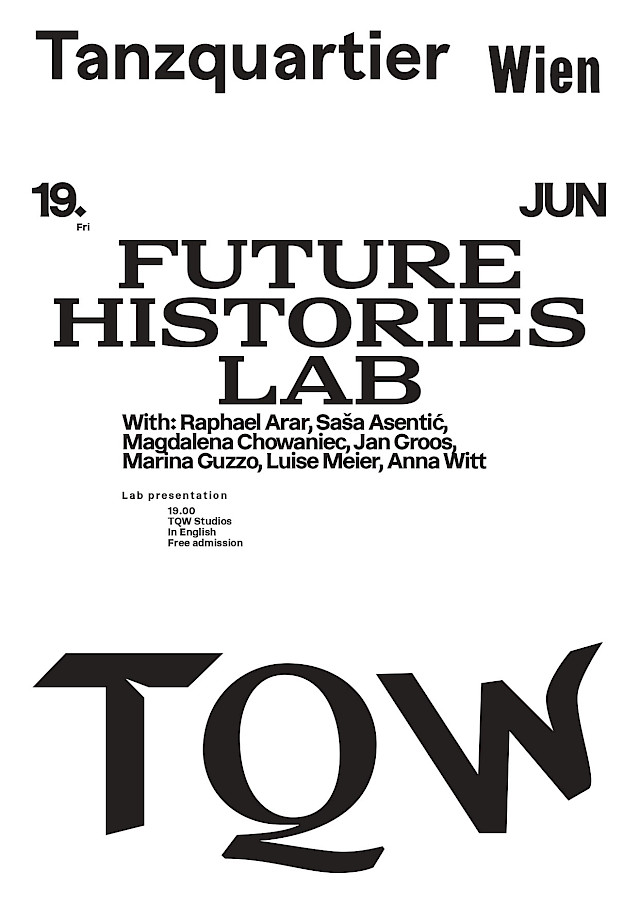
From June 15–19 the Future Histories LAB hosted a five-day laboratory at Tanzquartier Vienna. During the lab, interdisciplinary artists and thinkers developed a collaborative analog computing arrangement to envision a democratic-ecological future. The participants came together in a shared physical space to experiment with the creation and emergence of:
-
a physical cooperative futuring device
-
a tool for democratic socio-metabolic planning,
-
an intra-active apparatus,
-
an analog computer, or
-
a relational world-making machine
A 'device' that is not only shaped through interdisciplinary cooperation but also enables it and which expands the circle of participants to include non-human actors and the public.
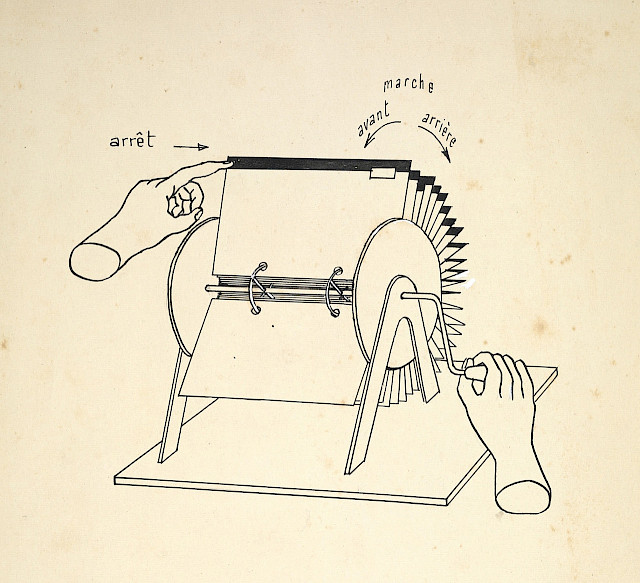
Beyond the question of democratic ecological planning, it was asked: How can any model, idea, or vision of democratic cooperative planning/futuring include:
-
reproductive and other forms of non-wage labour,
-
non-human actors,
-
aesthetics and artistic labour, and
-
a future socio-climatic metabolism that is not only survivable but also enjoyable?
After approximately four and a half days, the public was invited to take part in an analog computing experiment. Impressions, traces, and reflections from the process have been gathered for a publication in cooperation with Tanzquartier.
Artist Bio
Luise Meier
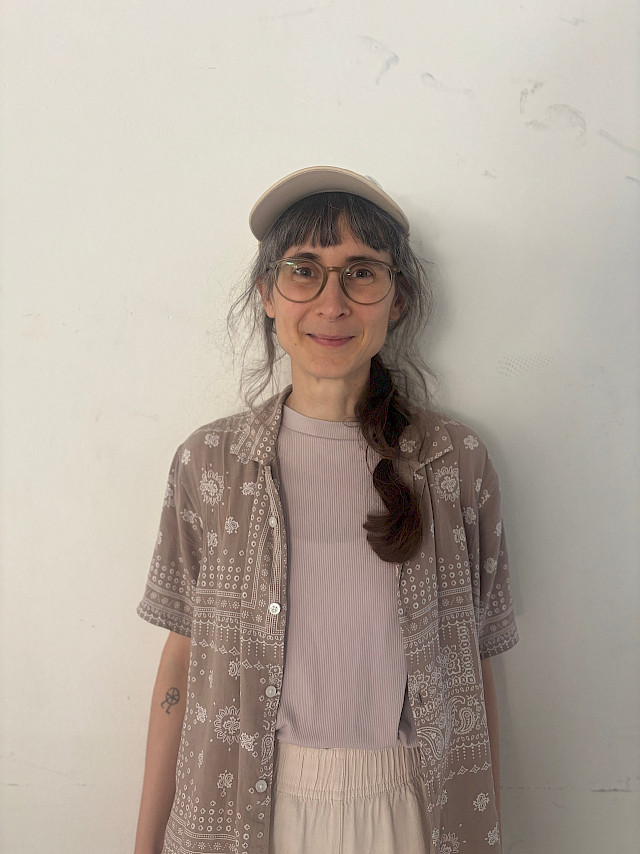
lives and works in Berlin as a writer, dramaturge, and performer. Her work moves between analysis and poetry, history and speculation, critique and activism. Her essay MRX Maschine was published in 2018, followed by her near-future fiction novel Hyphen in 2024, both with Matthes & Seitz Berlin.
Raphael Arar
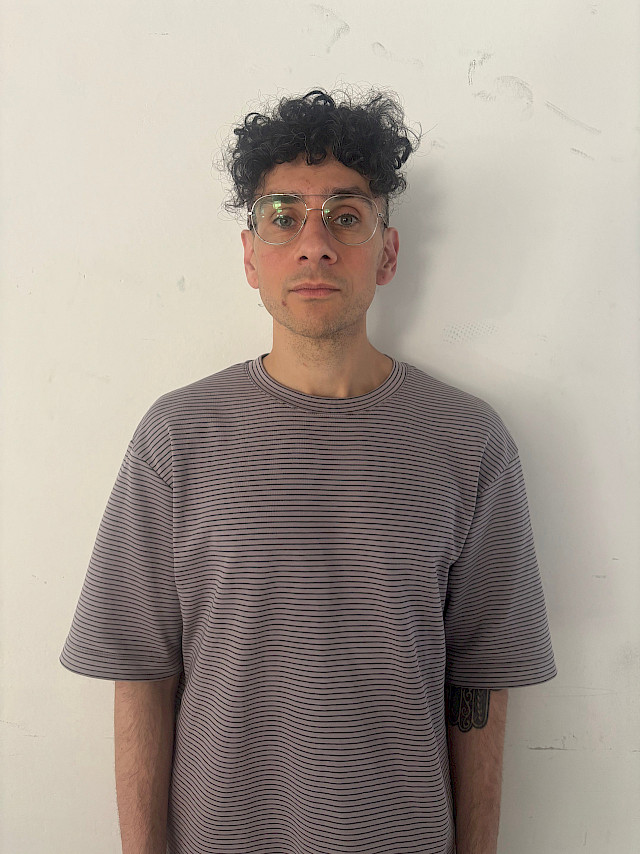
is a designer, researcher and artist working across complex systems, AI governance and economic infrastructure. He heads Design at One Project, an organization building infrastructure for economic democracy. He serves on the executive board of Leonardo/ISAST, and his artwork has been shown internationally at venues including ZKM, ISEA, Science Gallery and SLAC.
Saša Asentić
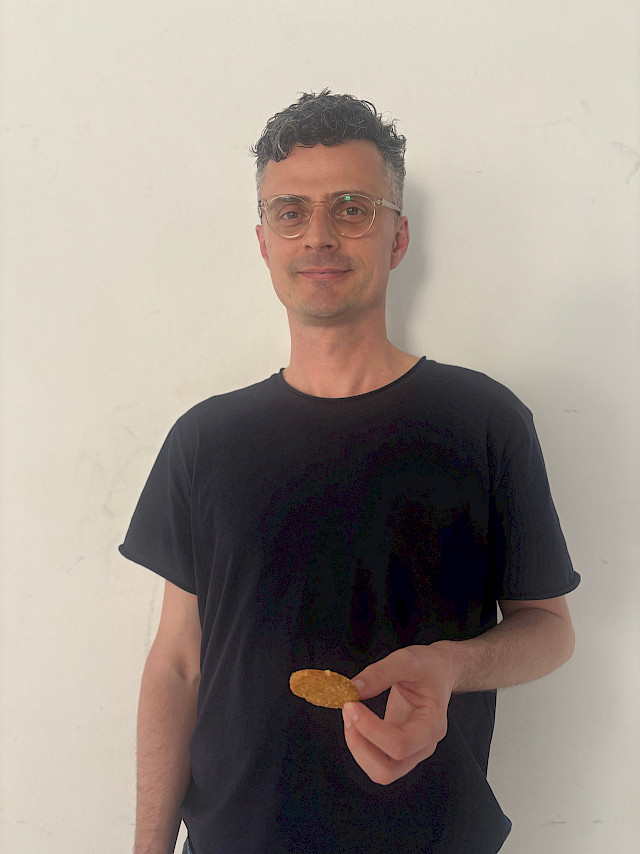
is a non-disabled choreographer, researcher, curator, editor, and doctoral candidate at the Oslo National Academy of the Arts, working across contemporary dance, performance, and disability arts. His artistic research focuses on solidarity, accessibility, care, and resistance to cultural oppression, with an emphasis on disability justice and collective memory. His work has been presented internationally and developed through numerous transnational research and artistic collaborations.
Magdalena Chowaniec
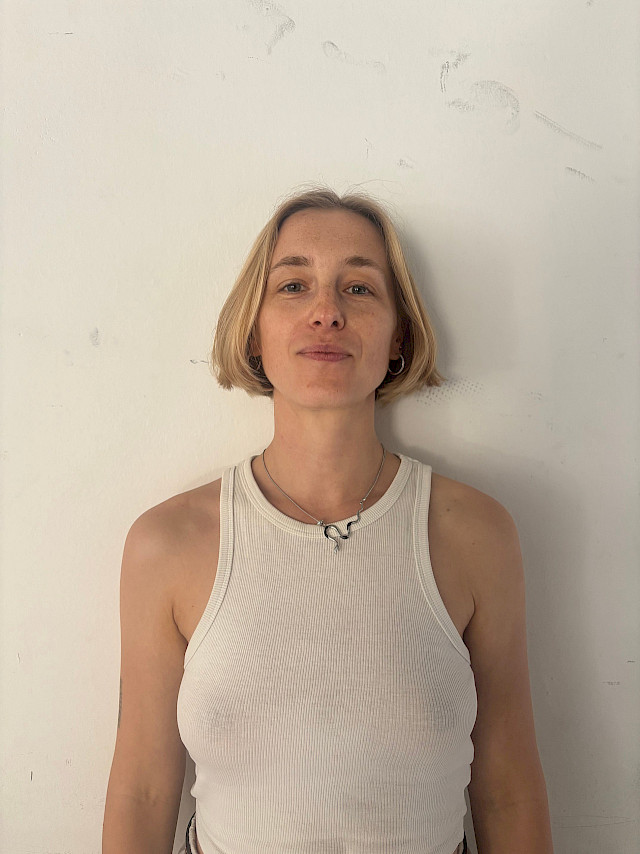
is a choreographer, performer, musician, curator, and cultural mediator. In her artistic practice, she explores choreographic and somatic methods as tools of gentle resistance, socio-political reorganization, and individual and collective transformation. Her work has been presented internationally, including at ImPulsTanz Festival, Kampnagel Hamburg, Wiener Festwochen, and Sophiensaele Berlin. She has also choreographed opera productions for the Vienna State Opera. As a musician, she is part of the rave duo Mermaid & Seafruit. In addition, she has worked in the fields of artistic research, cultural mediation, and curating.
Jan Groos
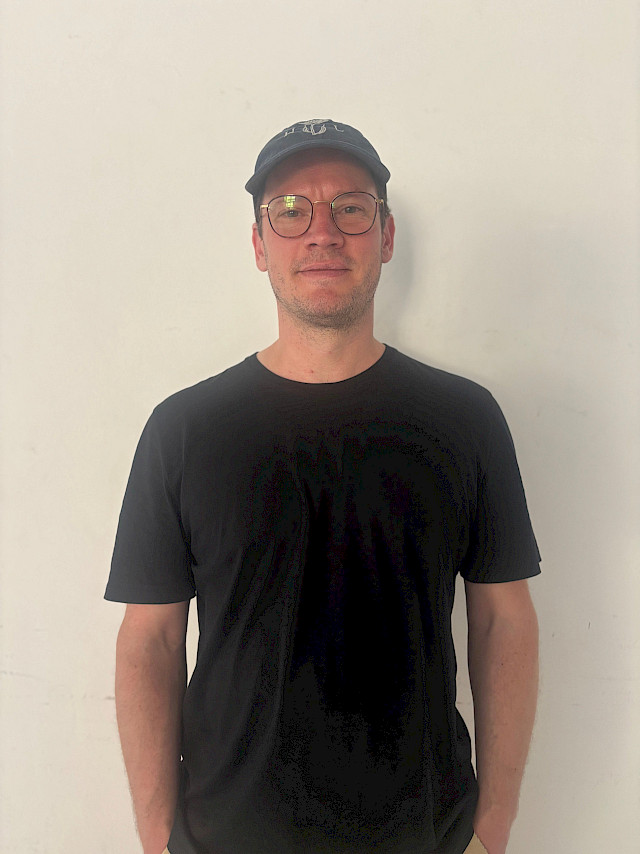
is Director of the Media Lab at the Department of Communication Studies at the University of Salzburg. His research focuses on democratic futures, critical media practice, and public knowledge production. His work on democratic planning as well as his public research practice in the context of the Future Histories podcast have made him an internationally recognized voice in the field of democratic transformation and alternative futures. jan-groos.de; futurehistories.today
Marina Guzzo
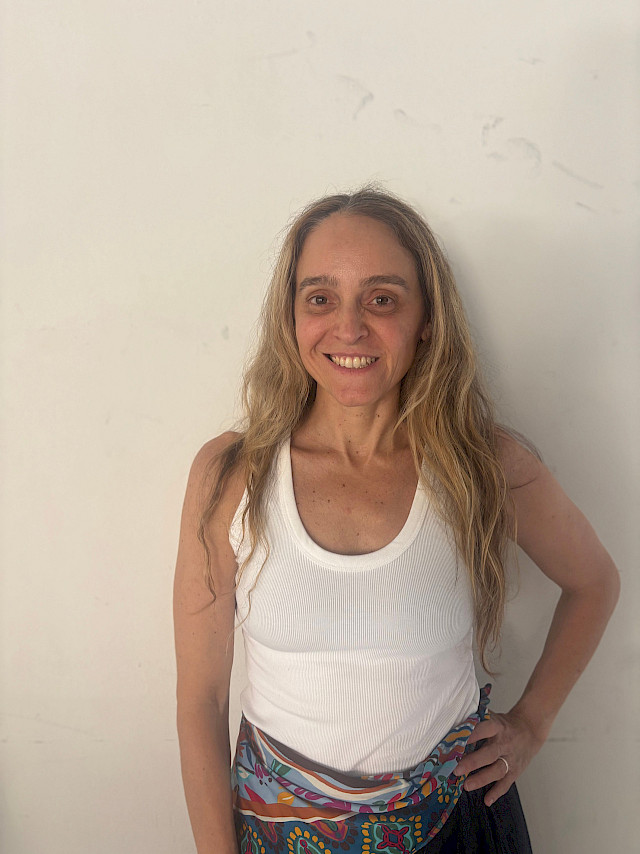
is an artist and researcher working at the intersection of body and landscape, combining dance, performance, and circus. Since 2011, her research has focused on the climate crisis and the role of art in the Anthropocene. She views art as a political practice developed in collaboration with health, cultural, and social institutions. Guzzo holds a postdoctoral degree in Performing Arts (ECA-USP) and a master’s and PhD in Social Psychology (PUC-SP). She is a professor at Unifesp and a fellow at Affective Societies at Freie Universität Berlin.
Anna Witt
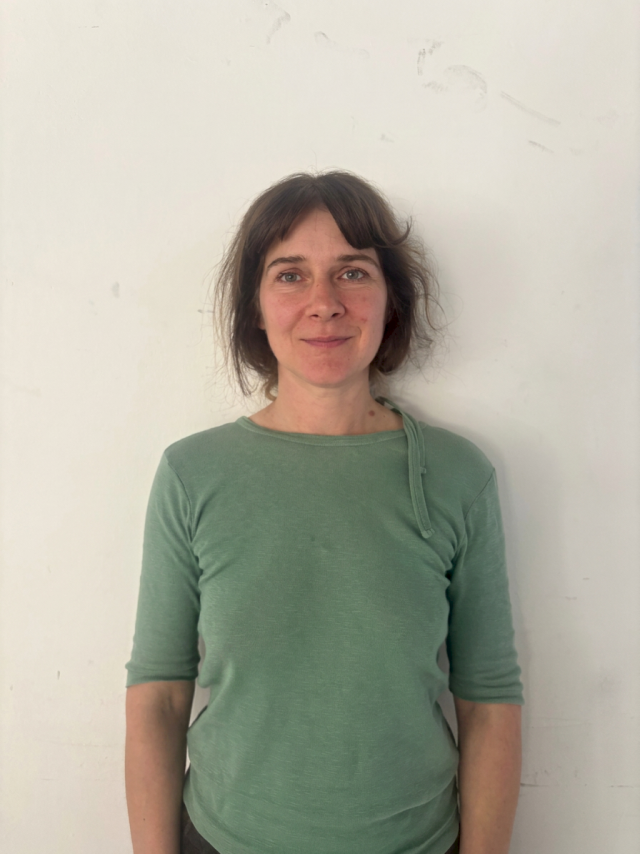
works with performance, intervention, video, and large-scale installations. At the core of her artistic practice is the question of how social relations can be made visible and how existing power structures can be experienced and transformed through artistic processes. She often involves people from diverse social contexts directly in her work. Her projects have been presented internationally at museums, art institutions, and biennials, including Schirn Kunsthalle Frankfurt, Kunsthalle Wien, SEMA Seoul Museum of Art, and the Aichi Triennale. She has also realized numerous solo exhibitions across Europe.
Render file does not exist - /site/templates/fields/sections/image_section.php